Security Assurance Methodology: A Structured Approach

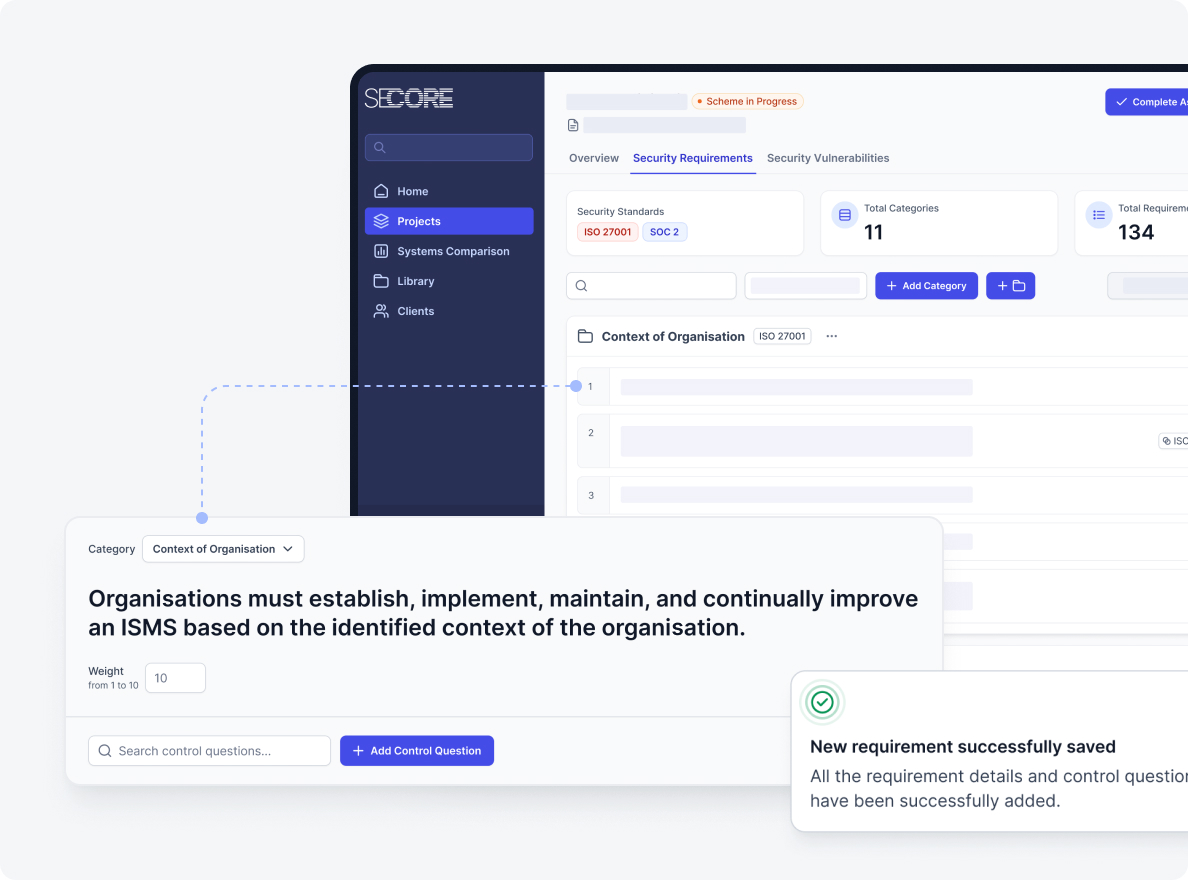
Specify a Security Assurance Profile
1

Specify a Security Assurance Profile

This initial step involves defining the scope and context of the security assurance engagement. It is crucial to establish a clear understanding of what needs to be assured, against what criteria, and for what purpose. This phase sets the foundation for all subsequent activities, ensuring that the evaluation is aligned with organisational objectives and regulatory requirements.

  • Identify the Assurance Target: Clearly define the system, application, or environment that will be subjected to security assurance.
  • Select Applicable Standards and Frameworks: Determine which industry standards, regulatory frameworks, and internal policies are relevant.
  • Define Organisational Risk Tolerance: Understand the organisation’s appetite for risk.
  • Establish Business Context and Objectives: Link the security assurance efforts directly to business outcomes.
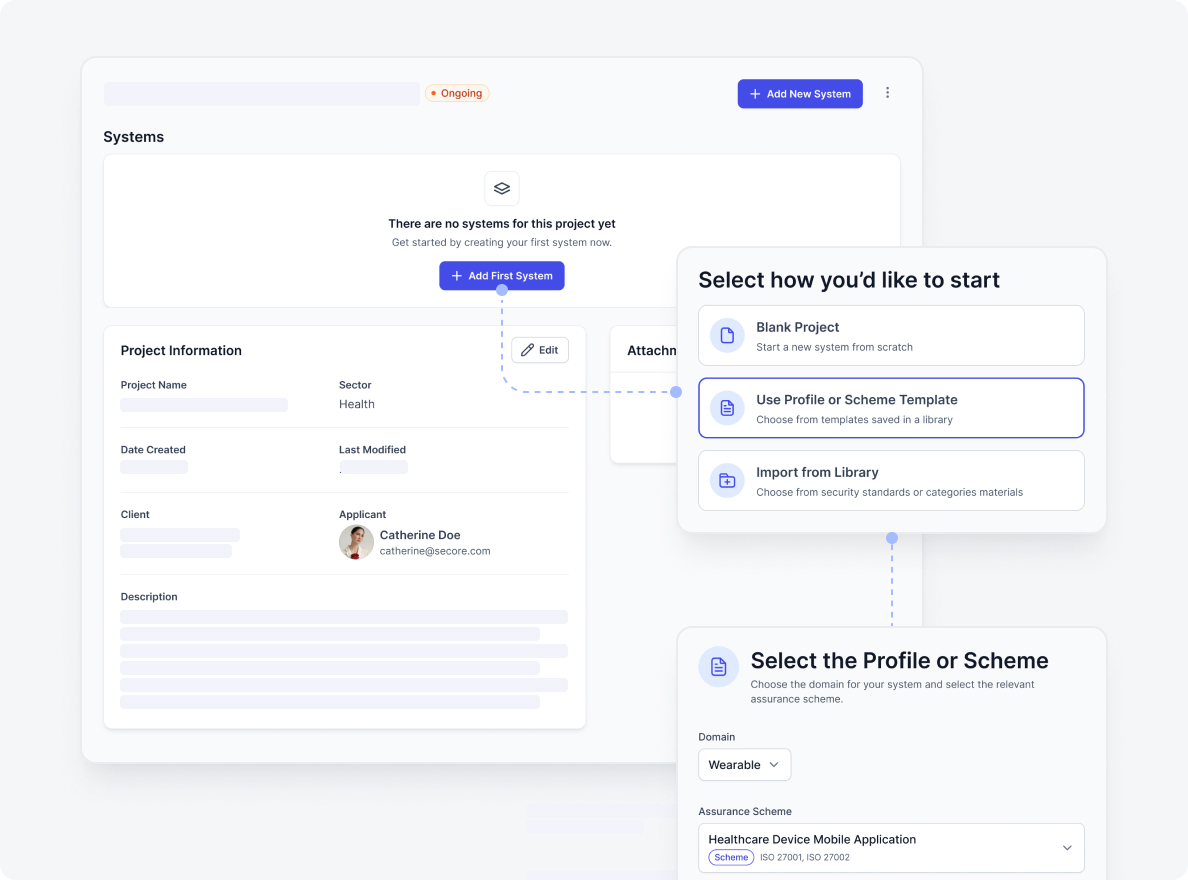
Specify Your System of Evaluation
2

Specify Your System of Evaluation

Once the security assurance profile is defined, the next step is to detail the specific components and elements within the assurance target that will be evaluated.

  • Decompose the System into Components: Identify all relevant components of the system under evaluation.
  • Map Components to Assurance Criteria: Relate each identified component to security domains.
  • Identify Assurance Elements: Pinpoint specific elements to be assessed.
  • Define Assurance Conditions: Specify concrete, testable security controls or conditions.
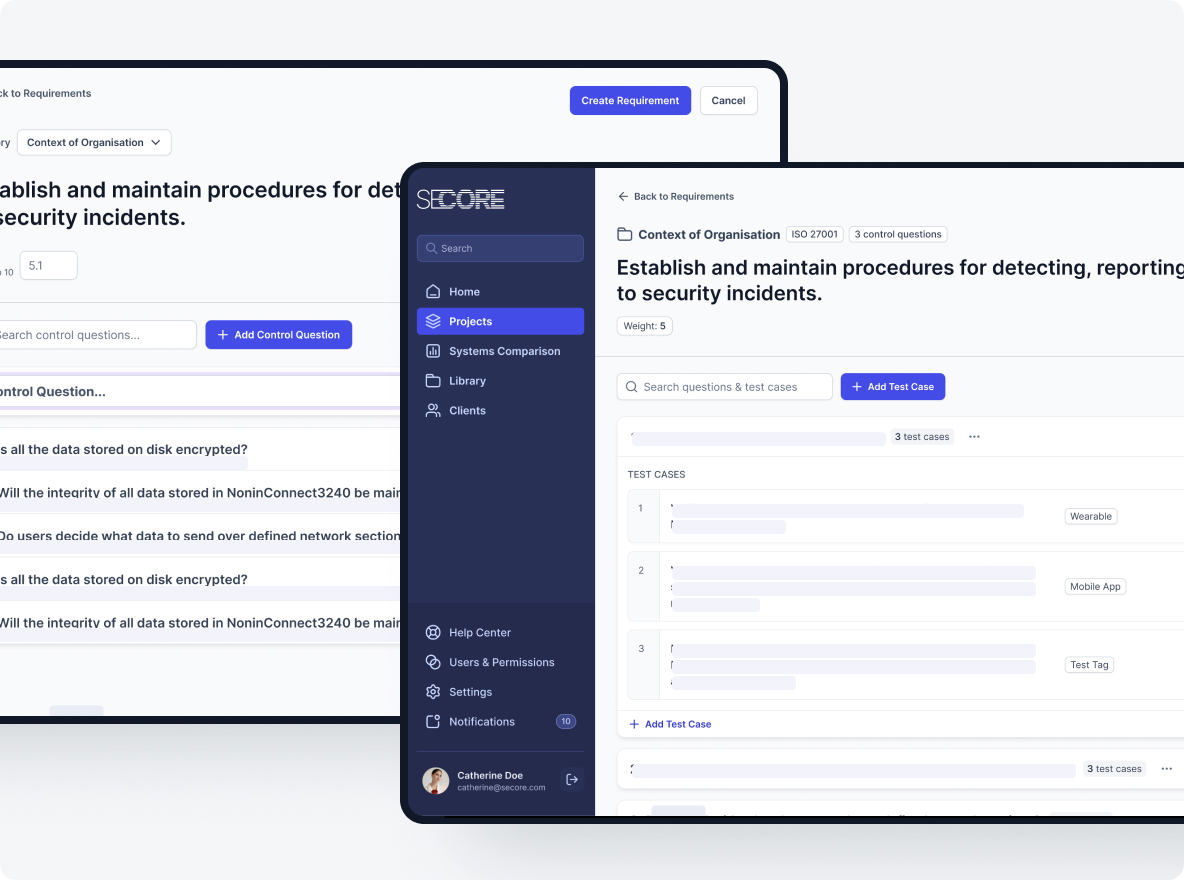
Create a Security Assurance Scheme and Test Plan
3

Create a Security Assurance Scheme and Test Plan

This phase translates the defined system components and assurance conditions into a structured evaluation plan.

  • Map Criteria to Measurable Metrics: Assign numerical scores or indicators.
  • Develop Test Cases and Procedures: Design detailed, repeatable, and objective tests.
  • Assign Risk and Importance Weights: Prioritise based on organisational risk.
  • Integrate with Existing Tools and Processes: Leverage existing security tools.
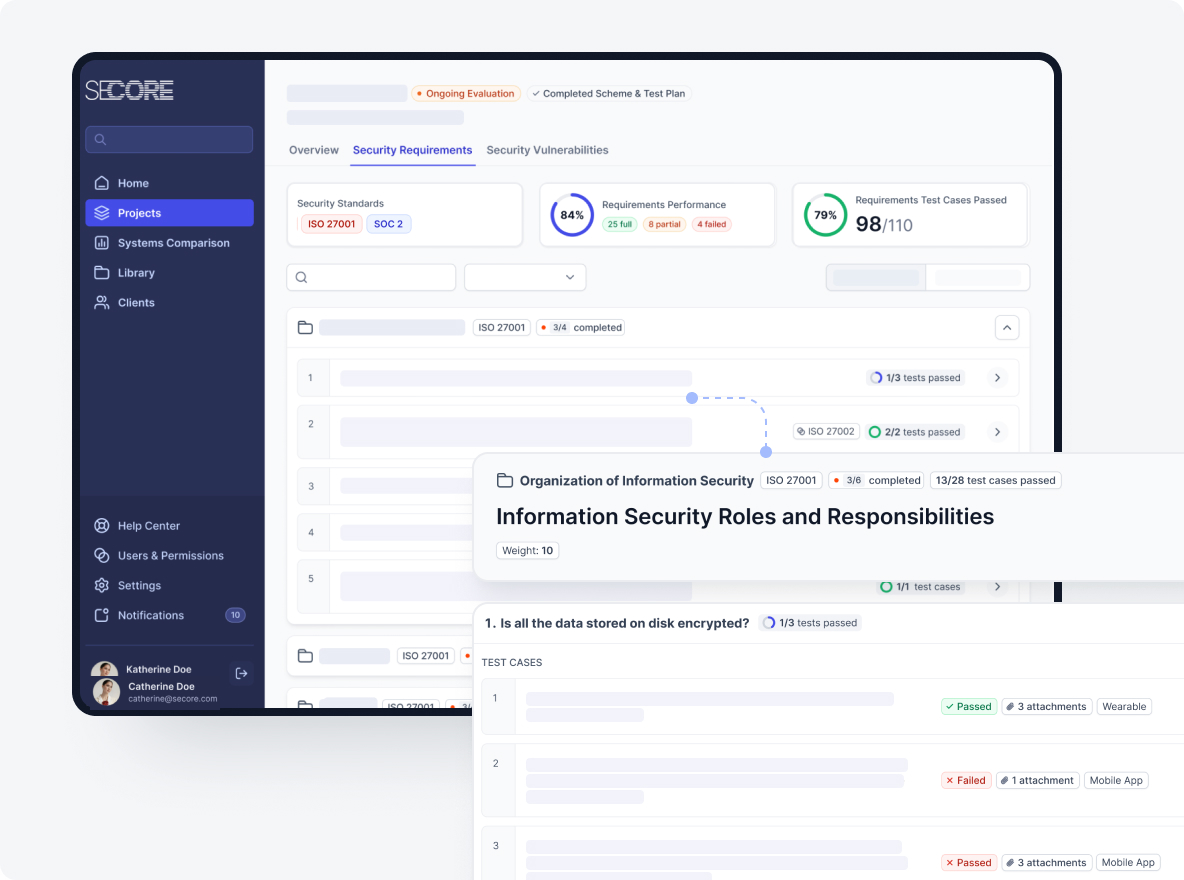
Conduct Evaluation
4

Conduct Evaluation

This is the execution phase where the defined test plan is put into action.

  • Execute Test Cases: Perform tests as defined.
  • Collect and Record Data: Gather relevant test results.
  • Analyse Findings: Understand root causes and security weaknesses.
  • Calculate Scores: Provide a quantitative measure of security posture.
Reporting
5

Reporting

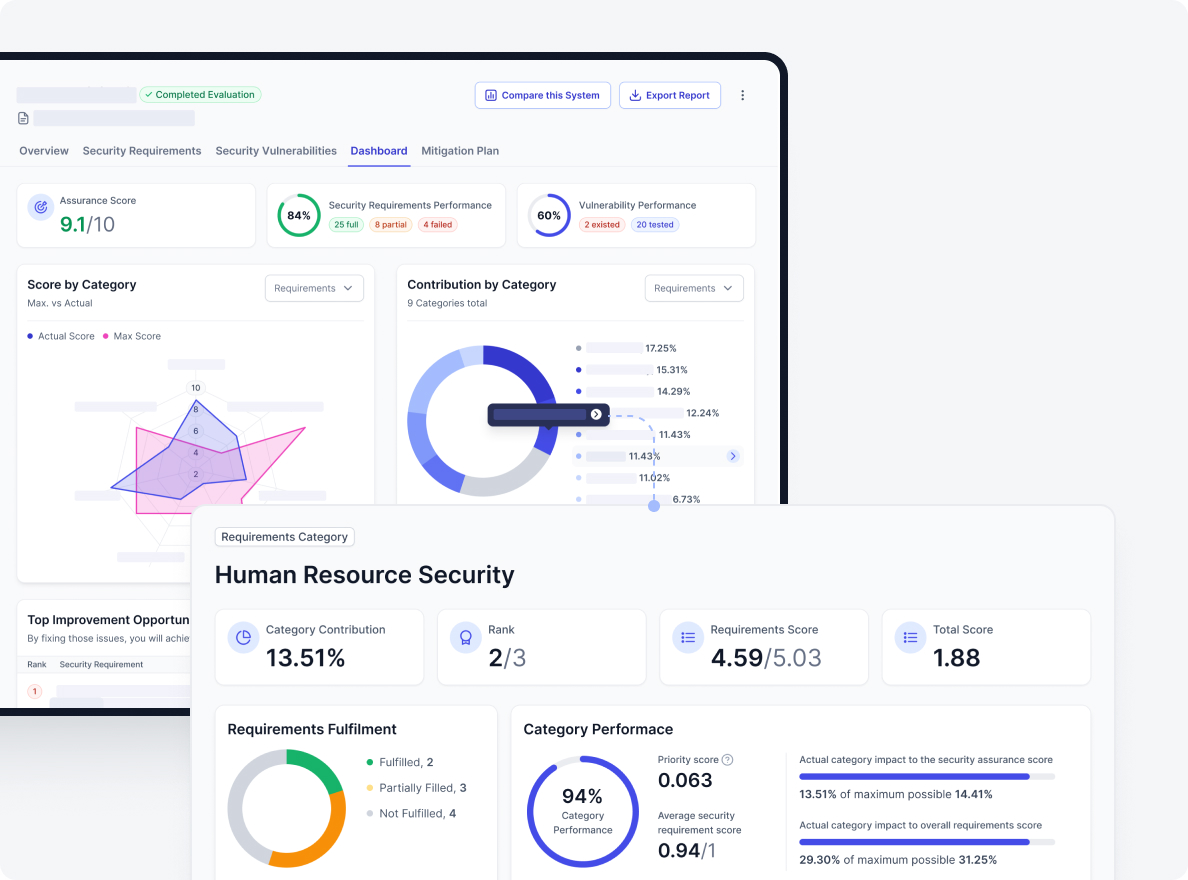
The reporting phase involves synthesising the evaluation findings into clear, concise, and actionable reports.

  • Generate Comprehensive Reports: Present findings including SAL and VUP.
  • Visualise Data: Use dashboards and charts.
  • Translate Technical Findings to Business Impact: Link vulnerabilities to business consequences.
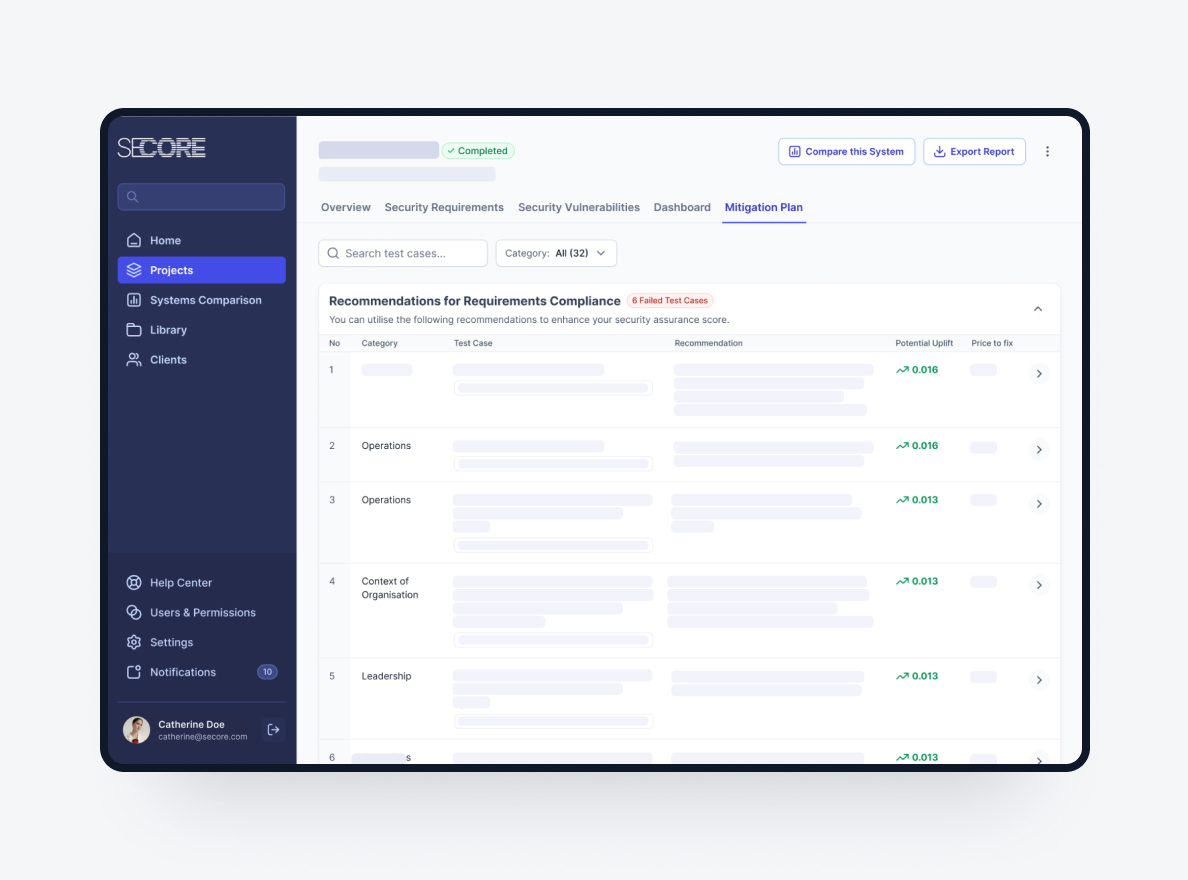
  • Provide Actionable Recommendations: Offer clear, prioritised guidance.
Mitigation
6

Mitigation

The final phase focuses on addressing identified weaknesses and improving security posture.

  • Prioritise Mitigation Actions: Focus on high-risk areas first.
  • Verify Effectiveness: Re-test to confirm improvements.
  • Continuous Monitoring and Improvement: Track security posture over time.

FAQ

Security assurance is the process of demonstrating that a system meets defined security requirements through structured evaluation, evidence gathering, and validation. It focuses not only on discovering vulnerabilities but proving that controls are correctly implemented and effective.

Security focuses on protecting systems from threats, while compliance ensures adherence to standards and regulations. Security assurance connects the two by verifying through structured testing and metrics that implemented controls are functioning as intended.

Security assurance is defined by repeatability, evidence-driven testing, quantitative scoring, and traceability. It requires clear requirements, structured evaluation methods, and documented results.

Common frameworks include ISO/IEC 27001, NIST SP 800-53, NIST Cybersecurity Framework, CIS Controls, OWASP ASVS, and IEC 62443. These standards define requirements and controls that organizations can measure systems against

Common Criteria defines seven EALs (EAL1–EAL7), each representing increasing depth and rigor of evaluation. EAL1 demonstrates basic testing, while EAL4 is suited for commercial products requiring more thorough design and testing review. EAL7 represents formally verified, mathematically proven systems. Higher assurance requires more effort, documentation, and verification

Continuous Assurance involves ongoing monitoring, testing, and validation of controls throughout the software lifecycle. It ensures systems remain secure after deployment, updates, or supply chain changes

Penetration testing focuses on finding exploitable vulnerabilities at a moment in time. SeCore’s security assurance evaluates whether required security controls are correctly implemented, functioning, and continuously improving. Instead of just identifying issues, SeCore measures compliance, quantifies assurance, and produces actionable mitigation plans.

The SAL is a quantitative score produced by SeCore that reflects how well a system meets defined security requirements. It aggregates weighted control results and provides a clear indication of assurance strength. Higher SAL values indicate stronger, more consistently validated security control implementation.

VUP (Vulnerability Performance Score) represents how effectively a system resists known vulnerabilities and misconfigurations. It measures the presence or absence of high-impact weaknesses and contributes to overall system risk. Strong VUP scores show fewer exploitable conditions and better defensive posture.

A SeCore evaluation includes defining system context, selecting or creating an assurance profile, generating an assurance scheme, performing testing, scoring results, and reviewing dashboard insights. The process ends with an optimized mitigation plan based on quantified priorities. Each stage is structured and traceable.

Yes modern, automated, and lightweight assurance methods allow high assurance without heavy documentation burdens. SeCore focuses on quantitative control checks rather than exhaustive paperwork, making assurance faster and more scalable.

SeCore uses AI to automatically recommend the right security standards and generate tailored assurance profiles based on the industry sector and system’s domain and. It then creates precise, non-overlapping control questions for the assurance scheme. Finally, AI helps produce aligned test plans by converting those controls into practical, system-specific test cases reducing effort and improving consistency.

A Walled Garden ensures that only validated, trusted components, practices, and frameworks are used during development and deployment. Within security assurance, it means limiting systems to approved standards, secure dependencies, and validated workflows.

The CRA requires manufacturers to demonstrate secure design, documentation, vulnerability management, and continuous monitoring. Security assurance provides the structured evidence, quantitative scores, and control validation necessary to prove compliance

Ready for Security Evaluation with SeCore?

Cyber threats evolve fast, your defences should too. With SeCore’s Security Assurance Methodology, you gain clear visibility into your security posture, benchmarked across leading standards and best practices. Our expert-led evaluations deliver measurable insights, prioritised remediation plans, and a single security score you can trust. Contact SeCore today to schedule your security evaluation and strengthen your organisation’s resilience.

Get in Touch